
A Comprehensive Guide
Hijama, also known as cupping therapy, is one of the oldest forms of natural healing in the world. Deeply rooted in Islamic tradition and practiced by the Prophet Muhammad ﷺ himself, Hijama has stood the test of time as a safe and effective therapy. Today, it is gaining renewed recognition, not only as a Sunnah but also as a scientifically supported method for improving health and well-being.
In this guide, we’ll explore what Hijama is, its origins, its benefits, and why it continues to be a trusted healing practice.
What is Hijama?
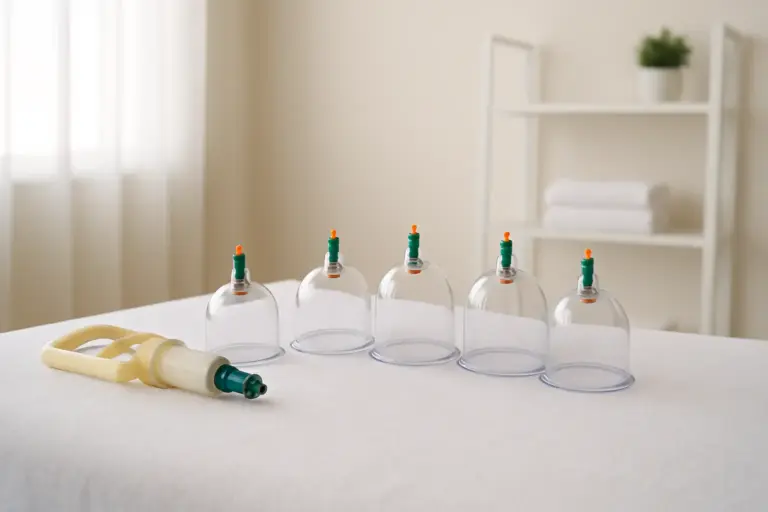
Hijama is a therapeutic practice where suction cups are applied to specific points on the body. In wet cupping, tiny superficial incisions are made to draw out stagnant or impure blood. This process is believed to remove toxins, improve circulation, and restore balance in the body.
Types of Cupping
-
- Wet Cupping (Hijama) – Involves small incisions to draw blood; this is the Sunnah form practiced by the Prophet ﷺ.
- Dry Cupping – Suction without incisions, often for relaxation or muscle pain.
- Oil cupping / Sliding cupping : Its a technique where massage oils are applied, cups are attached to the body and then slide across an area.
Hijama in the Sunnah
The Prophet Muhammad ﷺ said:
“Indeed the best of remedies you have is Hijama (cupping).” (Sahih al-Bukhari 5371)
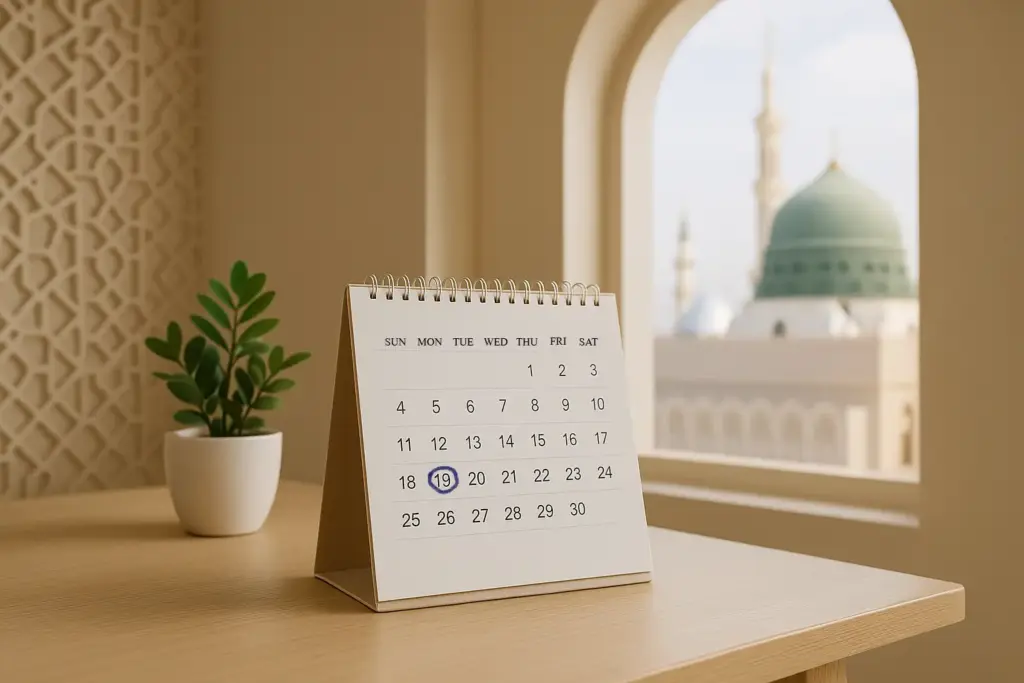
He ﷺ underwent cupping multiple times and encouraged his companions to do the same, making Hijama a highly recommended Sunnah practice. The Prophet ﷺ also indicated preferred times for Hijama — such as the 17th, 19th, and 21st days of the Islamic lunar month, and they are best to be performed when they occur on Monday, Tuesday or Thursday.
Health Benefits of Hijama
-
- Detoxification and Circulation: By drawing out stagnant blood, Hijama stimulates fresh circulation and helps detoxify the body.
- Pain Relief: It is commonly used for headaches, migraines, back pain, arthritis, and muscle soreness.
- Stress Reduction: Hijama promotes relaxation, reduces tension, and supports mental well-being.
- Boosting Immunity: By enhancing blood flow and stimulating natural healing processes, Hijama may strengthen the immune system.
- Support for Chronic Conditions: Emerging studies suggest Hijama can complement treatment for hypertension, cholesterol, and metabolic issues.
Is Hijama Safe?
Yes — when performed by trained professionals using sterile, single-use equipment.
While generally safe, Hijama may not be suitable for:
- Pregnant women in the first trimester
- People with very low blood pressure
- Individuals with severe anemia or bleeding disorders
Always consult a qualified practitioner before undergoing Hijama.
Is Hijama Painful?
Are you worried that hijama will cause you pain? Here’s the good news, most people report only a mild tickling or a brief, sting-like sensation during the cupping process. The process involves very shallow skin scratches, not deep cuts and is even described as painless or less uncomfortable than a paper cut by many people. With an experienced practitioner, the process is gentle and quick.
Is Hijama Good for Girls?
Yes absolutely. Of course it is. Hijama (cupping therapy) is beneficial for women and girls. In fact, it’s often recommended for menstrual pain, hormonal balance, fertility, skin health and overall stress relief. Many women find it incredibly effective for back pain, headaches and even PCOS symptoms. As with all medical treatments, it’s performed by a certified professional.

How Often Should You Do Hijama?
For Sunnah practice: The Prophet ﷺ recommended certain lunar dates.
For health reasons: Frequency varies depending on condition — many benefit from sessions every 3–6 months.
Many people go for regular, monthly hijama date sessions to keep their health in check, especially if timed to the hijama sunnah date. But frequency should be personalized to your needs and discussed with your healthcare specialist or the hijama therapist.
Can We Do Hijama After Maghrib?
Traditionally, hijama is performed during the day for maximum advantage, ideally in the morning. Now, there is no strict prohibition against performing it after Maghrib (sunset prayers). But according to Sunnah practice, it is deemed best to perform it in earlier sessions. Make sure you consult your hijama therapist or religious advisor for personalized guidance, especially if evening sessions are your only option.
What to Recite During Hijama?
It’s advised to start the hijama with Bismillah (in the name of Allah) and seek blessings and protection. You might also recite duas (prayers) for healing and gratitude or the well-known supplication:
اللَّهُمَّ رَبَّ النَّاسِ، أَذْهِبِ الْبَأْسَ، اِشْفِ أَنْتَ الشَّافِيْ، لَا شِفَاءَ إِلَّا شِفَاؤُكَ، شِفَاءً لَّا يُغَادِرُ سَقَمًا
Allahumma Rabban-naas, adh-hibil-ba’s, ishfi antash-Shafi la shifa’a illa shifa’uk, shifa’al-la yughadiru saqama.
O Allah, Lord of mankind, remove this illness, Cure! You are the Healer. There is no healing except Your healing, a healing which does not leave behind any illness.
Conclusion
Hijama is more than just an ancient remedy — it is a Prophetic Sunnah and a proven therapy that supports physical, emotional, and spiritual health. By combining tradition with modern medical safety standards, Hijama continues to unlock healing for people across the world.
At Healwell Pvt Ltd, we are proud to revive this Sunnah practice in the Maldives, offering safe and professional Hijama sessions tailored to individual needs.