What to Expect in Your First Session and How to Prepare
Hijama, or cupping therapy, is one of the most effective natural healing methods recommended by Prophet Muhammad ﷺ. Today, professional wellness centers around the world have revived this Sunnah while ensuring safety and comfort through modern medical standards.
If you’re planning your first Hijama session, here’s a comprehensive guide on what to expect and how to prepare.
Before Your Hijama Session
1. Choosing the Right Center
Select a clinic with trained practitioners.
Ensure they use sterile, single-use cups and blades.
Look for an environment that is both clean and professional.
Prefer centers that offer same-gender practitioners for modesty.
Make sure they provide proper consultation and aftercare advice.
Choose a center with a good reputation in the community.
2. Sunnah Timing
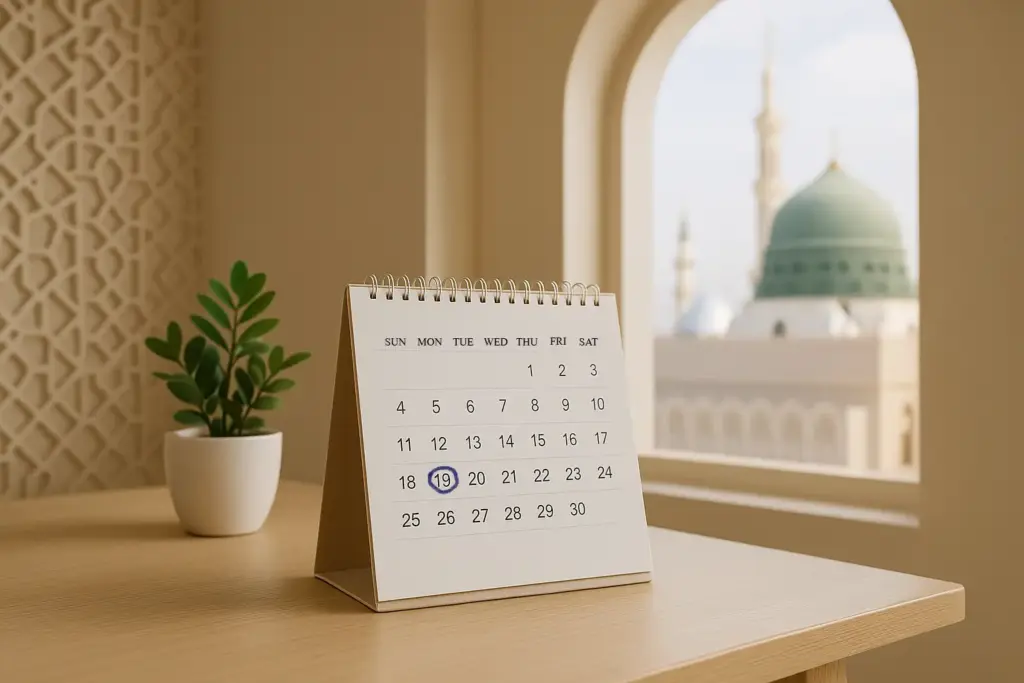
The Prophet Muhammad ﷺ recommended performing Hijama (cupping) on specific days of the Islamic lunar month — the 17th, 19th, and 21st. These dates are considered the best for health and spiritual benefit.
It is also preferred to do Hijama when these dates fall on Monday, Tuesday, or Thursday, as these days were emphasized in the Sunnah for acts of worship and blessings.
While Hijama can be done at other times if needed for medical reasons, following these Sunnah timings carries extra benefit and revives a practice of the Prophet ﷺ.
3. Preparation Tips
- Fast 3 hours before your Hijama treatment. However, make sure you are not fasting from the day before. You can drink a bit of water if you’re thirsty.
- Hydration: Drink water before the session, but avoid caffeinated drinks.
- Clothing: Wear loose, comfortable clothing for easier access to treatment areas.
- Medications: Inform your practitioner if you are on blood thinners or have any chronic conditions.
- For MEN: the areas to be cupped should be hair free or at least shaved down to level 1
During the Session
1. Consultation
Your practitioner will review your health history, discuss current symptoms, and understand your intended goals for Hijama. They will also check your vital signs (such as blood pressure, heart rate, and temperature) to ensure the procedure is safe for you.
2. Application of Cups
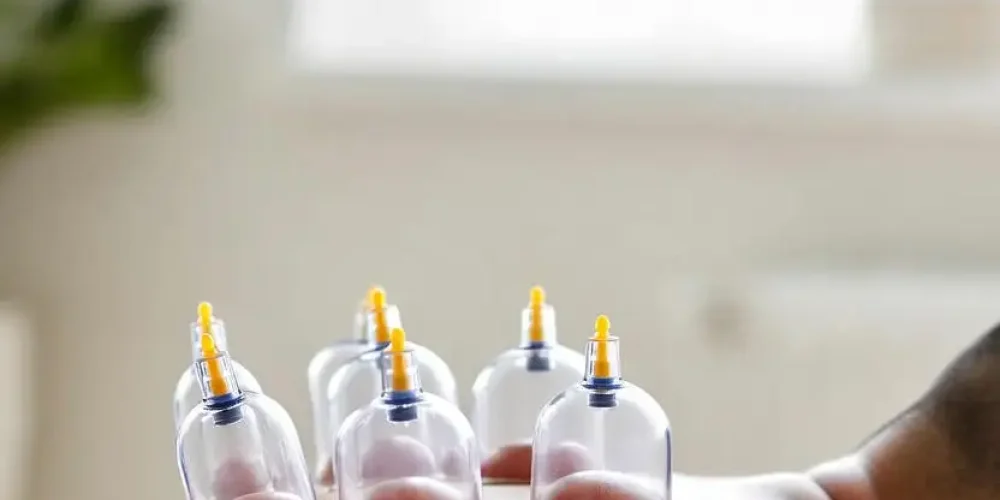
Suction cups are applied to specific points on the body (e.g., upper back, shoulders, or head).
For wet cupping, the skin is cleaned, suction applied, then small superficial incisions are made. Cups are reapplied to draw out a small amount of blood.
3. Duration
A complete Hijama session usually takes around 30–45 minutes from start to finish. This includes the initial consultation, preparing and sterilizing the treatment area, placing and removing the cups, and providing aftercare.
If multiple points are treated or if it is your first session, it may take slightly longer as the practitioner spends extra time explaining the process and ensuring your comfort. For smaller or follow-up sessions, the duration may be shorter.
4. Safety & Hygiene
- Sterile, single-use equipment only.
- Skin cleaned before and after treatment.
- Practitioner wears gloves and follows clinical hygiene standards.
After Your Session
1. Immediate Care
After the session, the treated areas will be thoroughly cleaned and covered with sterile dressings to prevent infection.
It is common to feel relaxed, light, or slightly tired afterward, as your body begins the natural healing process.
Some people also experience a sense of calm or relief immediately after treatment.
2. Recovery Tips
- Please avoid showering for 4 hours and avoid strenuous activity that will make you sweat. We want to make sure the small cuts have healed completely to reduce the risk of infection.
- Avoid red meat on the day you do the Hijama treatment, but you can have chicken, fish, fruits, vegetables and drink plenty of water.
- Keep the area clean and avoid scratching the cupping marks.
- The following day feel free to apply black seed oil or olive oil or moisturiser to encourage healing of the skin.
3. Possible Reactions
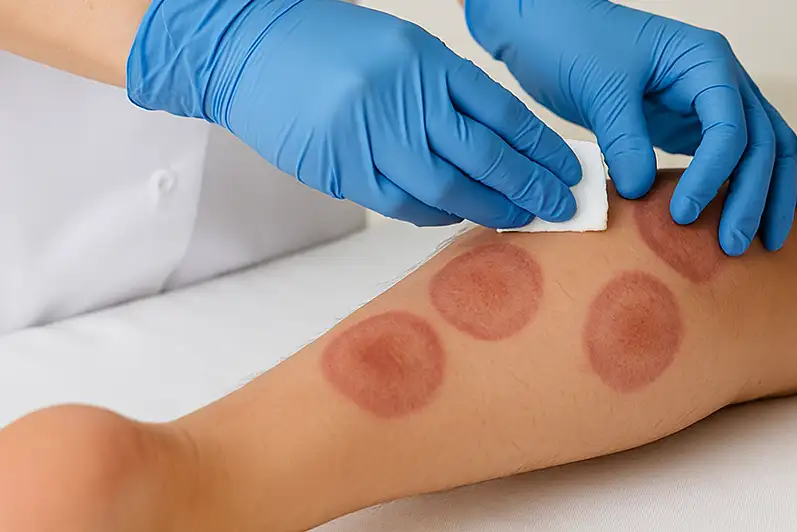
- Mild soreness or circular marks may appear — these typically disappear between 4 and 10 days. But on the odd occasion, they can last for two weeks. The colour of the marks will often determine how long the mark will last. The darker the cupping mark, the longer it will take to go away.
- Some people feel immediate relief, while others may notice gradual improvement over a few sessions.
Precautions
If you are taking blood-thinning medications such as aspirin, warfarin, etc, you cannot perform Hijama as your cuts will take longer to close therefore increasing your risk of infection. You will need to speak to your Doctor to advise how long you will need to stop taking the blood thinners and to provide you with a clearance letter confirming it’s safe for you to perform Hijama.